


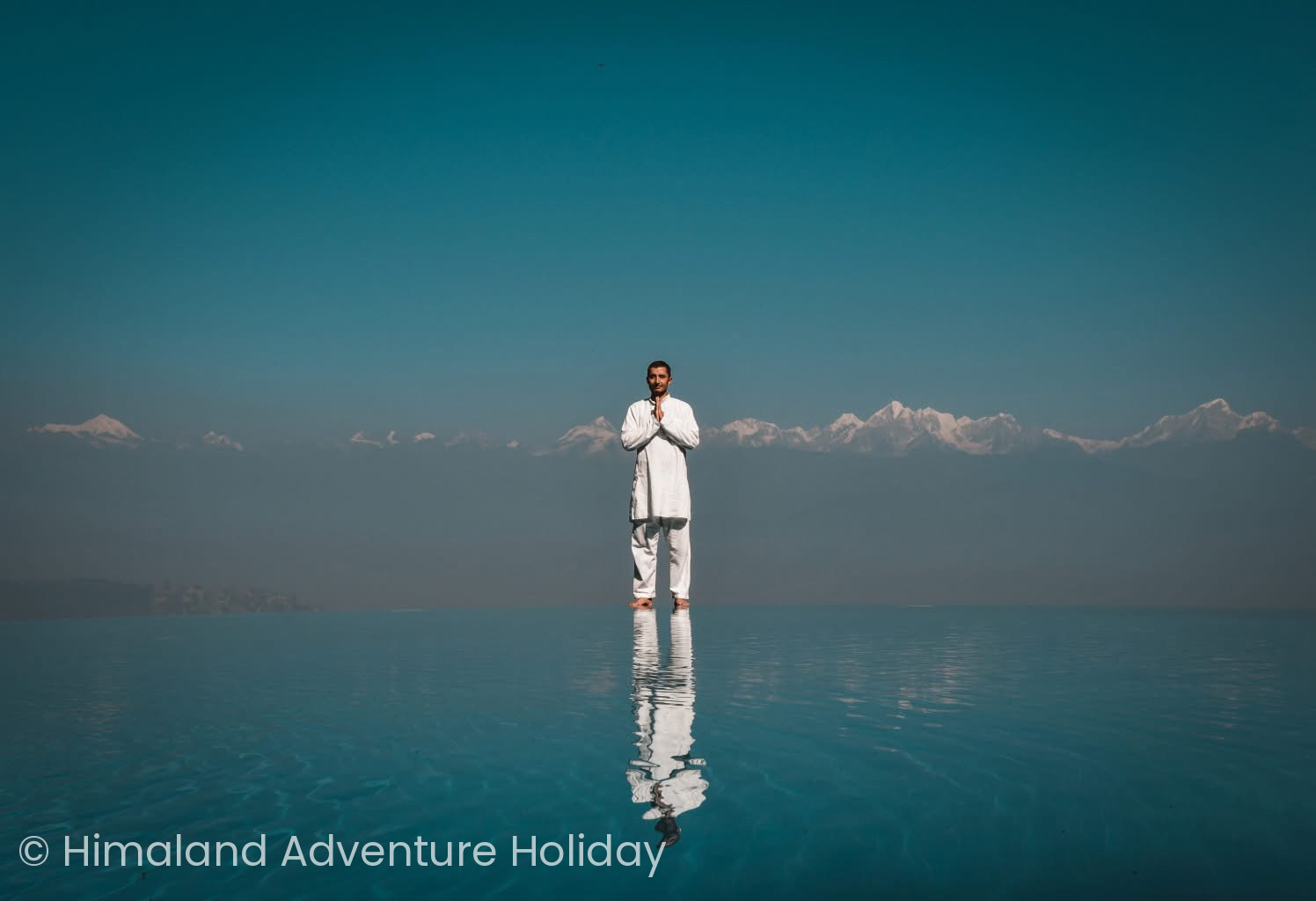
Image credit: Nepal Tourism Board
Wellness is often known internationally as just going to the gym, or following a diet or even following mental health trends. However, in Nepal the concept of wellness has been followed by the Nepali people since centuries. From Himalayan treks to practicing meditation in monasteries, in Nepal you will find that wellness isn’t just a tourist attraction. In recent years this long standing tradition of wellness in Nepal has also reached a global stage through the United Nations.
Wellness is a way of life in Nepal
In Nepal, wellness isn’t separated from tradition to tourism. It exists naturally through the lifestyle and tradition of the Nepali people. Monasteries around the country practice meditation as a disciplined routine, while in rural areas of the country people live with a strong sense of simplicity and connection to nature.
Places like Lumbini, the birthplace of The Buddha, and the Himalayas attract visitors from all around the globe where they seek silence and recovery from fast paced modern city life. These experiences aren’t a “quick fix” for the problems people have but a deeper reset which focuses on slowly changing your mental and physical health for the better.
From tradition to global recognition
In recent years Nepal has taken wellness farther than tradition and tourism and pushed it to international recognition. A big milestone was accomplished by Nepal as its proposal to the United Nations General Assembly to establish International Wellness Day, observed globally on 15 April. This proposal was passed on the 10th of March 2026 with a vote of 143 in favor, 1 against, and 0 abstentions.
This reflects that in today’s world wellness is being treated more as a global priority than personal health management. The Nepali government has also declared 2027 as Wellness Tourism Year.
Statements from WHO and the UN
The World Health Organization (WHO) and the United Nations (UN) both frame wellbeing as something much broader than just being free from illness. The WHO describes well-being as a “positive state experienced by individuals and societies,” which means that wellness also includes quality of life, mental resilience, and the ability to contribute to society in a beneficial way. Similarly the UN emphasizes that “The future of global health, equality, and sustainable development depends on making mental well-being truly universal.” Together these show that wellness isn’t just about being healthy but also about being mentally and socially healthy.
What Nepal focused on
Nepal focused on these key points with their proposal to the UN:
- Physical well-being
- Mental and emotional health
- Social balance and community connection
- Cultural well-being and identity
- Environmental harmony
Rather than just limiting wellness to healthcare or fitness they focused on prevention, awareness, and long-term quality of life.
Why this matters
The adoption of International Wellness Day reflects the global concern of how people right now have more problems than before. May it be mental health challenges, an unhealthy lifestyle and the problems it causes or lack of social connection, these problems are more prevalent now than ever. And this isn’t by choice, nowadays people are so focused on work and life that these problems are bound to happen to people.
Nepal’s argument at the UN highlighted that wellness is more of a preventive approach, not a response to illness. This aligns with the global issue as people are trying to find ways of being better and trying to improve themselves from the unhealthy lifestyle they live now.
Nepal’s unique contribution
What makes Nepal’s contribution so special isn’t just that they brought it up, it’s that the agenda they were pushing had historical credibility behind it. The Nepali people don’t treat wellness as a one off thing they do once in a while, for them it’s a lifestyle.
Nepal’s Himalayan geography, spiritual traditions, and history of meditation practices give weight to its voice in global wellness discussions. Nepal doesn’t present wellness as a theory but rather something everyone should do everyday.
Conclusion
Nepal’s journey of turning its everyday wellness practices into an international stage in the United Nations reflects how it turned a cultural practice to a global one. By establishing International Wellness Day Nepal has shown that wellness shouldn’t be a luxury done a few times throughout your year but rather something you should focus on and do everyday.