
25+ years of excellence
Himaland Adventure Holiday


Boudha Stupa – The Spiritual Heart of Himalayan Buddhism
Trip Facts
Group size
Min. Pax Requirement, 2 persons
Best Time for Visit
All Season
Activity
Heritage Walk
DIFFICULTY
Easy
Time
3 hours
Start End
Kathmandu, Nepal
Overview
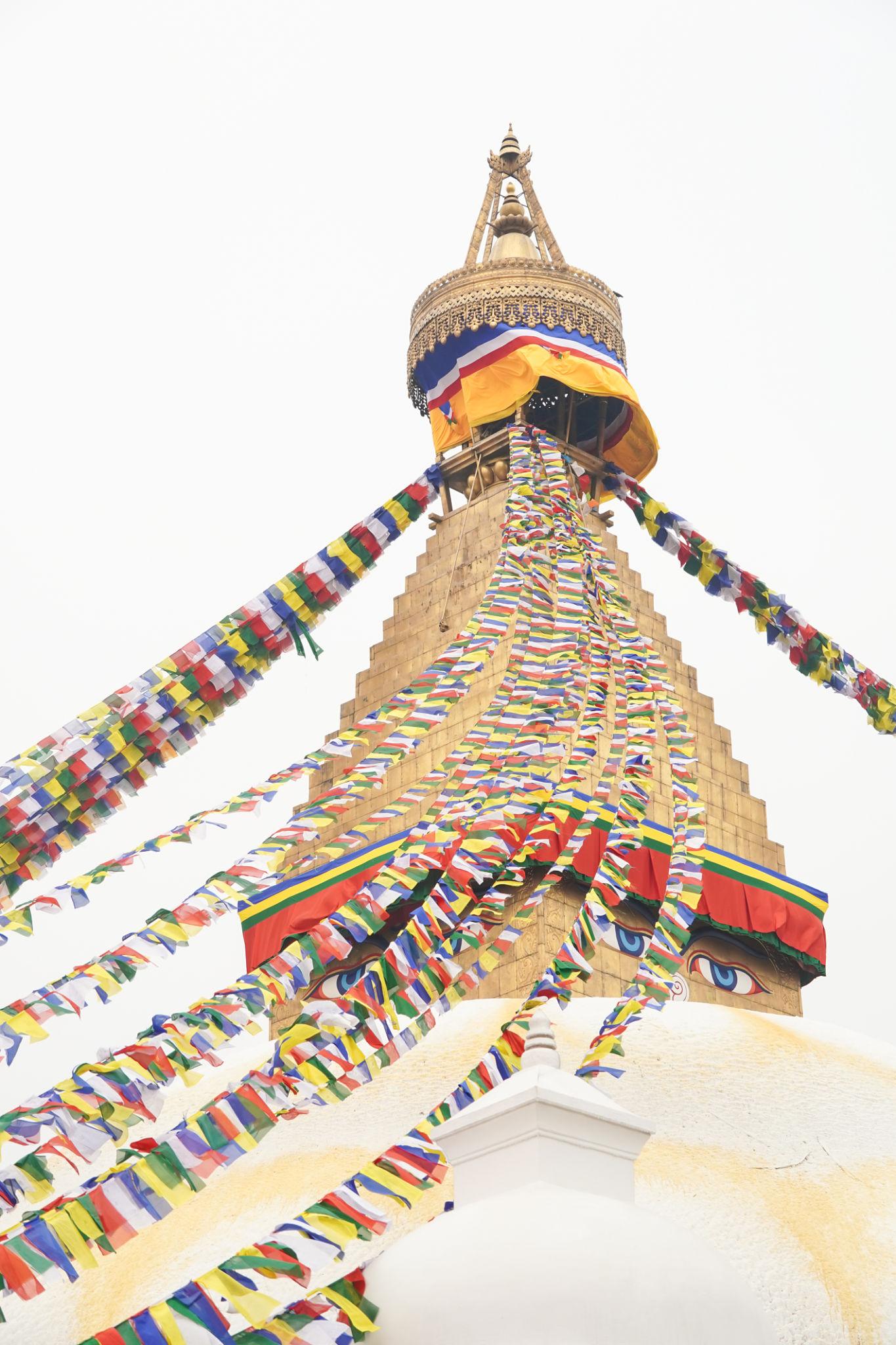
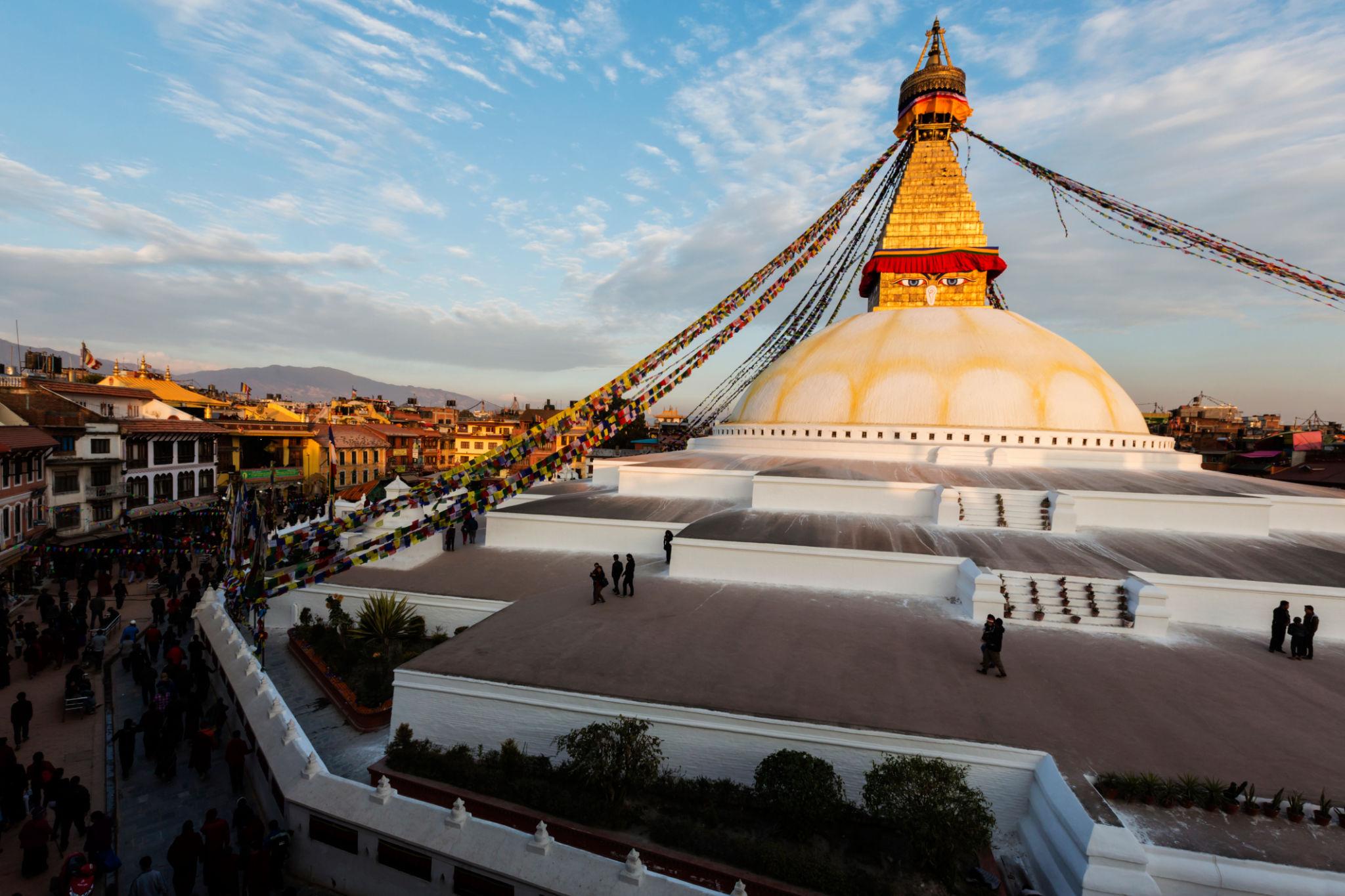
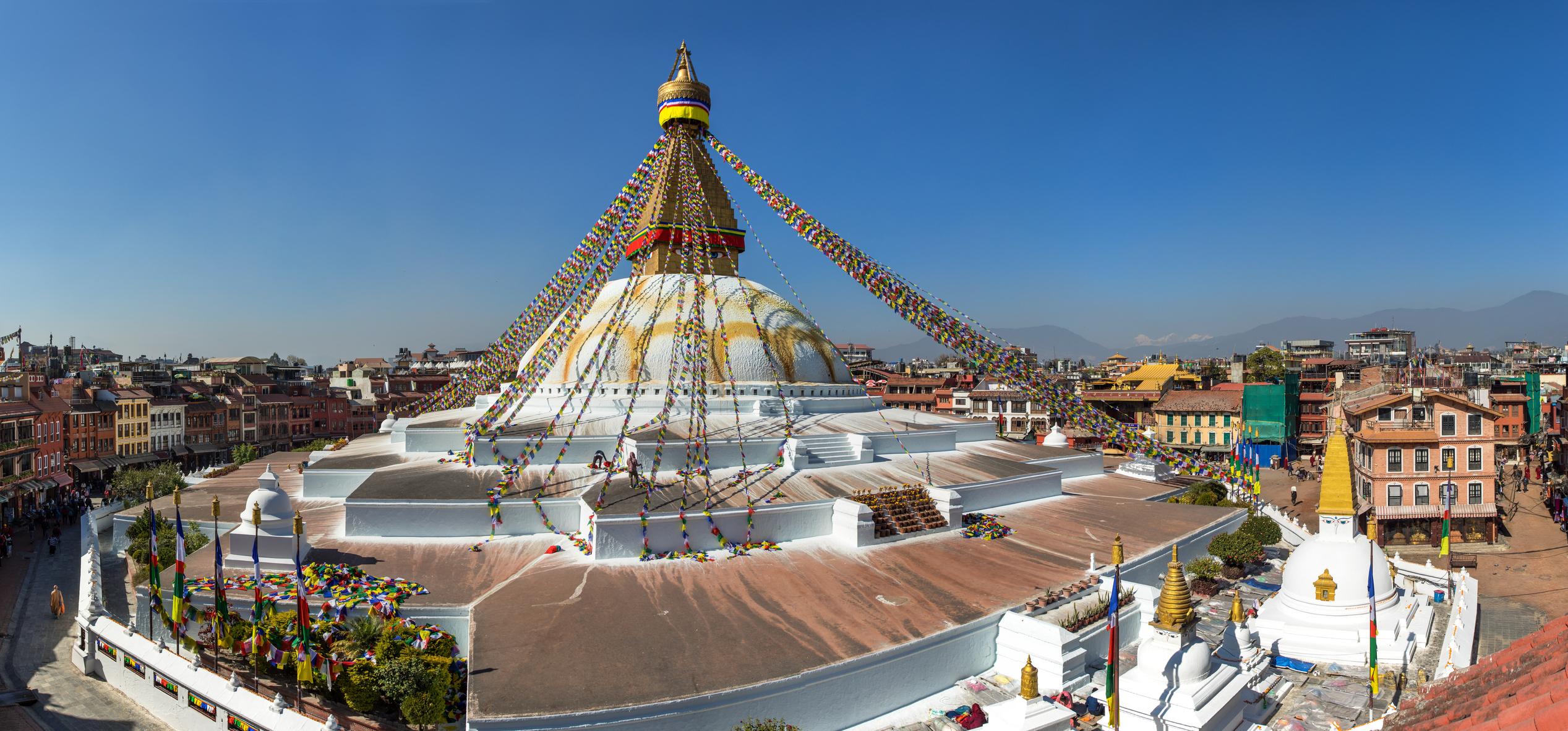
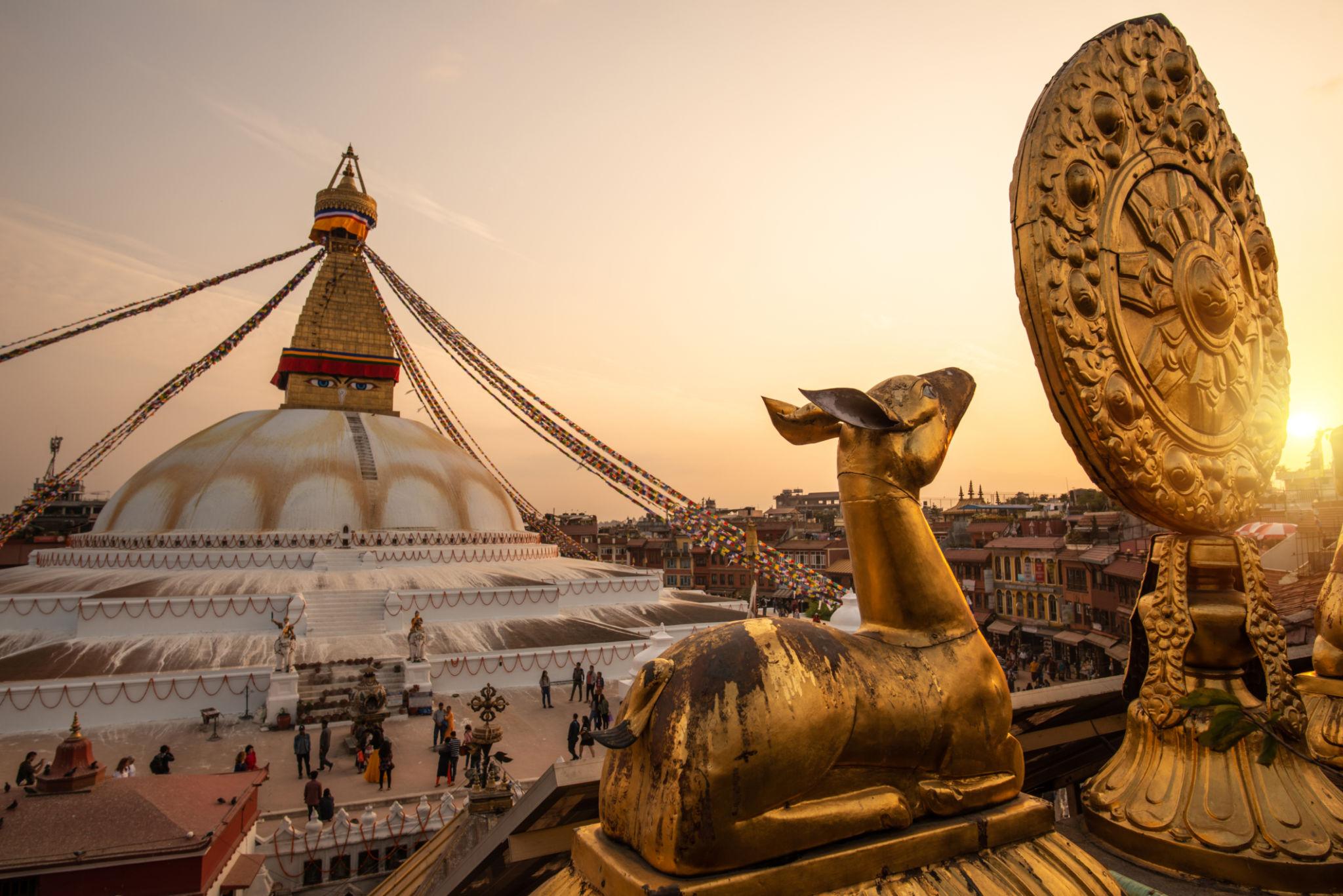
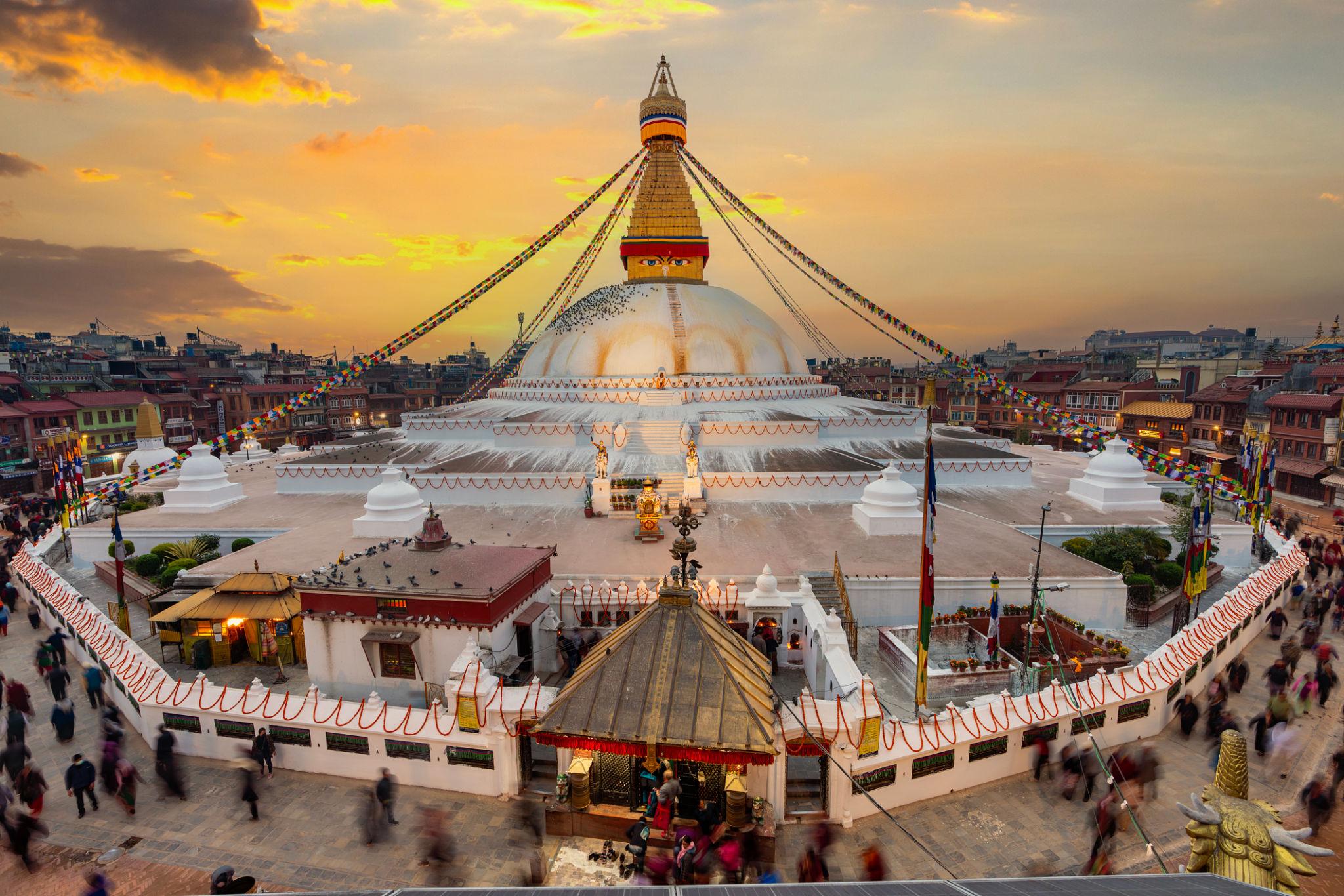
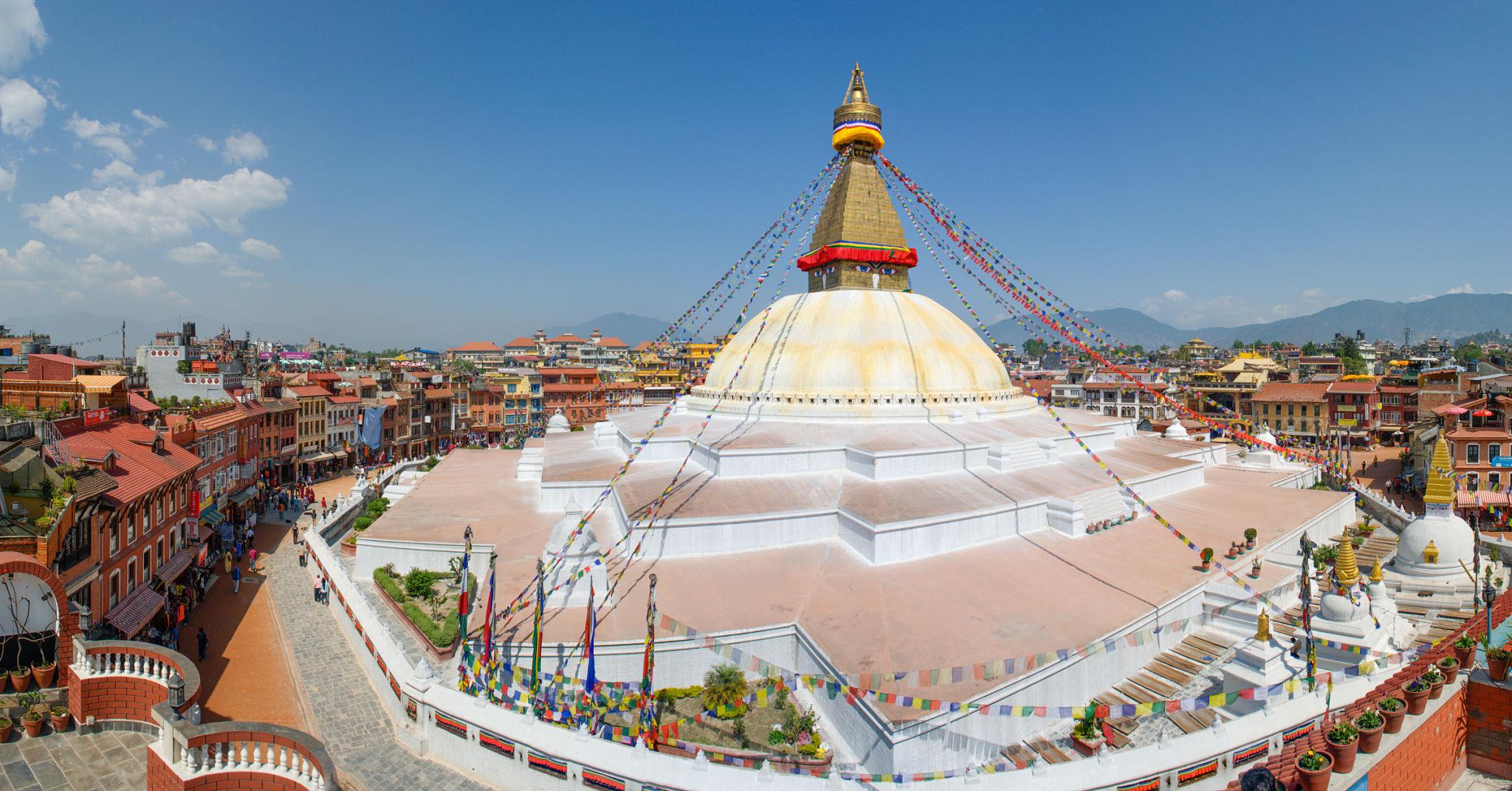
Rising 36 meters above Kathmandu’s rooftops, Boudhanath Stupa (Tibetan: Jyarung Khasyor) is one of the largest and holiest stupas in South Asia. A UNESCO World Heritage Site, it’s a center of devotion, community life, and cultural preservation for Tibetan and Himalayan Buddhists.
Sacred Symbolism & Architecture
- Jyarung Khasyor: Tibetan for “Precious One,” referring to the stupa’s revered essence.
- Mandala Base: The square foundation represents the universe in harmony, rooted in tantric geometry.
- Meru Structure: The stupa rises in nine levels, symbolizing the cosmic mountain at the center of existence.
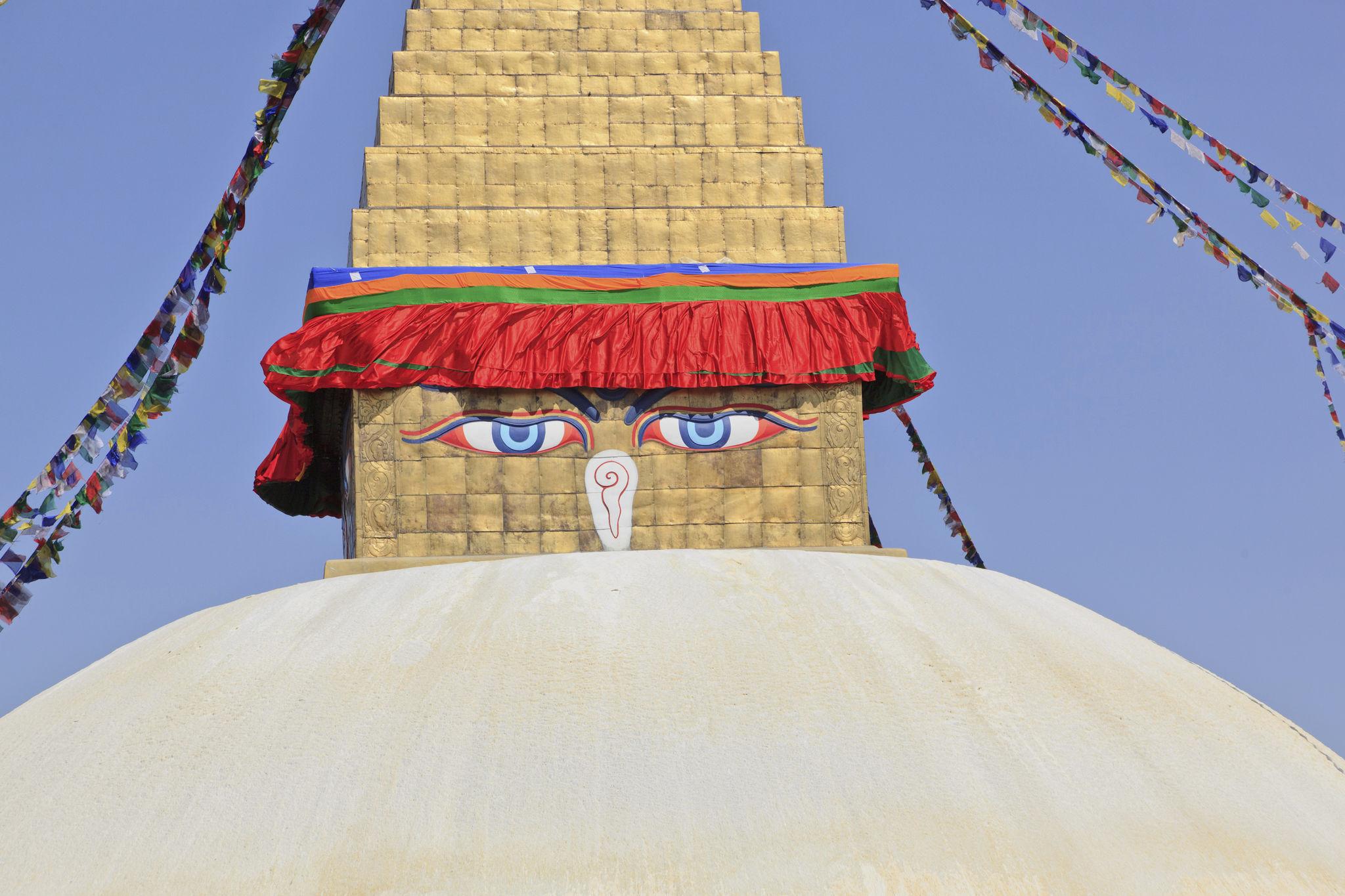
- 13 Rings: The golden spire is composed of 13 steps, representing the 13 stages to Nirvanaor complete enlightenment.
- Buddha Eyes: On each side of the gilded harmika, the all-seeing eyessymbolize compassion and wisdom.
- 147 Niches & 108 Images: The white dome is ringed with a wall containing niches for meditational Buddhasand mantra-spinning prayer wheels.
History & Legacy
- Earliest stupa construction likely dates back to the 5th–6th century, with major Licchavi-era renovations in the 8th century.
- Boudha lay on the ancient Indo-Tibetan trade route, becoming a key stop for traders and Tibetan pilgrims.
- Post-1959, it became a major spiritual refuge for Tibetan exiles, transforming the area into a living center of Tibetan Buddhism.
- Damaged during the 2015 earthquake, the stupa was restored through community-led efforts in 2016, reinforcing its symbolic resilience.
Monastic Life & Devotion
Surrounded by over 50 active monasteries, Boudha is a hub for all major schools of Tibetan Buddhism:
- Nyingma– Oldest school, focused on mystical practices
- Kagyu– Known for meditation lineage
- Sakya– Rooted in scholastic tradition
- Gelug– The Dalai Lama’s school
- Bon– Ancient pre-Buddhist Tibetan belief system
- Vajrayana Buddhism– Tantric rituals and symbolic depth
Monks, nuns, and lay practitioners engage in chanting, pujas, meditation, and prostrations throughout the day, making this a place of living spirituality.
Things to See & Do
- Join the Kora: Walk clockwise around the stupa with locals and pilgrims, reciting mantras or walking silently in reflection.
- Spin Prayer Wheels: With each turn, you symbolically send blessings into the universe.
- Light Butter Lamps: Offer a flame for peace, wisdom, or a personal intention.
- Visit Monastic Courtyards: Many monasteries around the stupa welcome respectful visitors to observe rituals or teachings.
- Browse Tibetan Shops: Find prayer flags, thangka paintings, incense, ritual items, and Buddhist texts.
- Rooftop Cafés: Enjoy tea or momo with an aerial view of the glowing stupa—especially magical at sunset or during full moon nights.
Festivals & Sacred Occasions
- Nhamdung Nghya: The Great Prayer Festival, featuring days of collective chanting and puja
- Buddha Jayanti(April–May): Celebrating the birth, enlightenment, and passing of the Buddha
- Saga Dawa(May–June): The most sacred month in Tibetan Buddhism, observed with rituals, merit-making, and vegetarianism
Includes
Transfers by private taxi/ coach
Temple/Durbar entry fee
Local simple snacks
Temple entry fees
English and local language speaking guide
Excludes
Beverages
Tips for guide and drivers
Expenses of personal nature
Reviews
Enter a recent customer’s contact info and we’ll ask them to leave you a review.