
Himaland Adventure Holiday Pvt. Ltd.
(Nepal local trek/tour/retreat holiday expert over 25+ years)

 Talk to an expert
+977 9841135885


Kathmandu Durbar Square Heritage Walk
Trip Facts
Duration
01 Days
Group size
Min. Pax Requirement, 2 persons
Best Time for Visit
All Season
Activity
Heritage Walk
Fitness Level
Easy
Route
Thamel → Thahiti → Indra Chowk → Kathmandu Durbar Square
Time
08:30 – 15:30
Start End
Kathmandu, Nepal
Highlights
Explore the historic heart of Kathmandu on a guided heritage walk through ancient streets and courtyards.
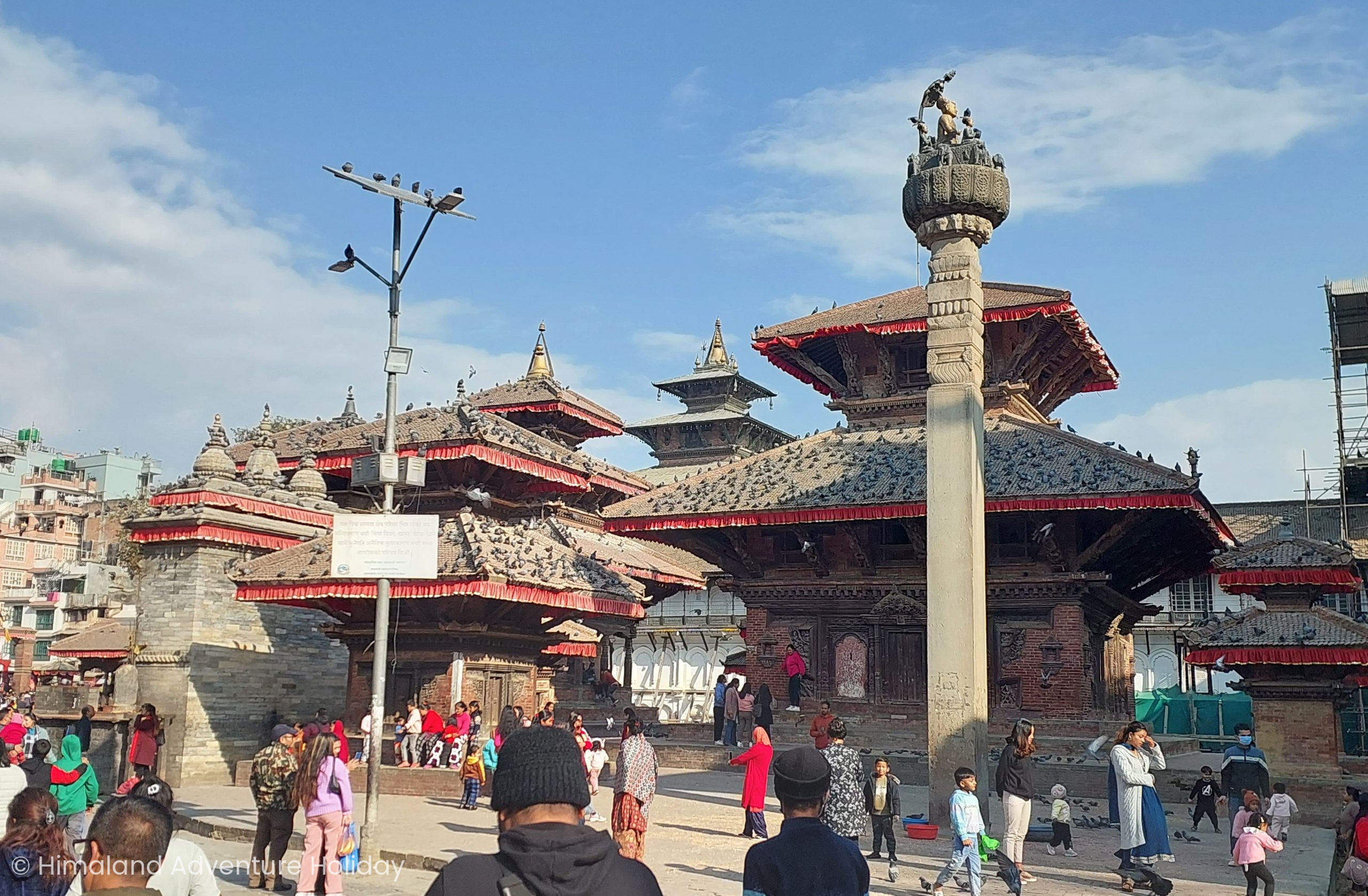
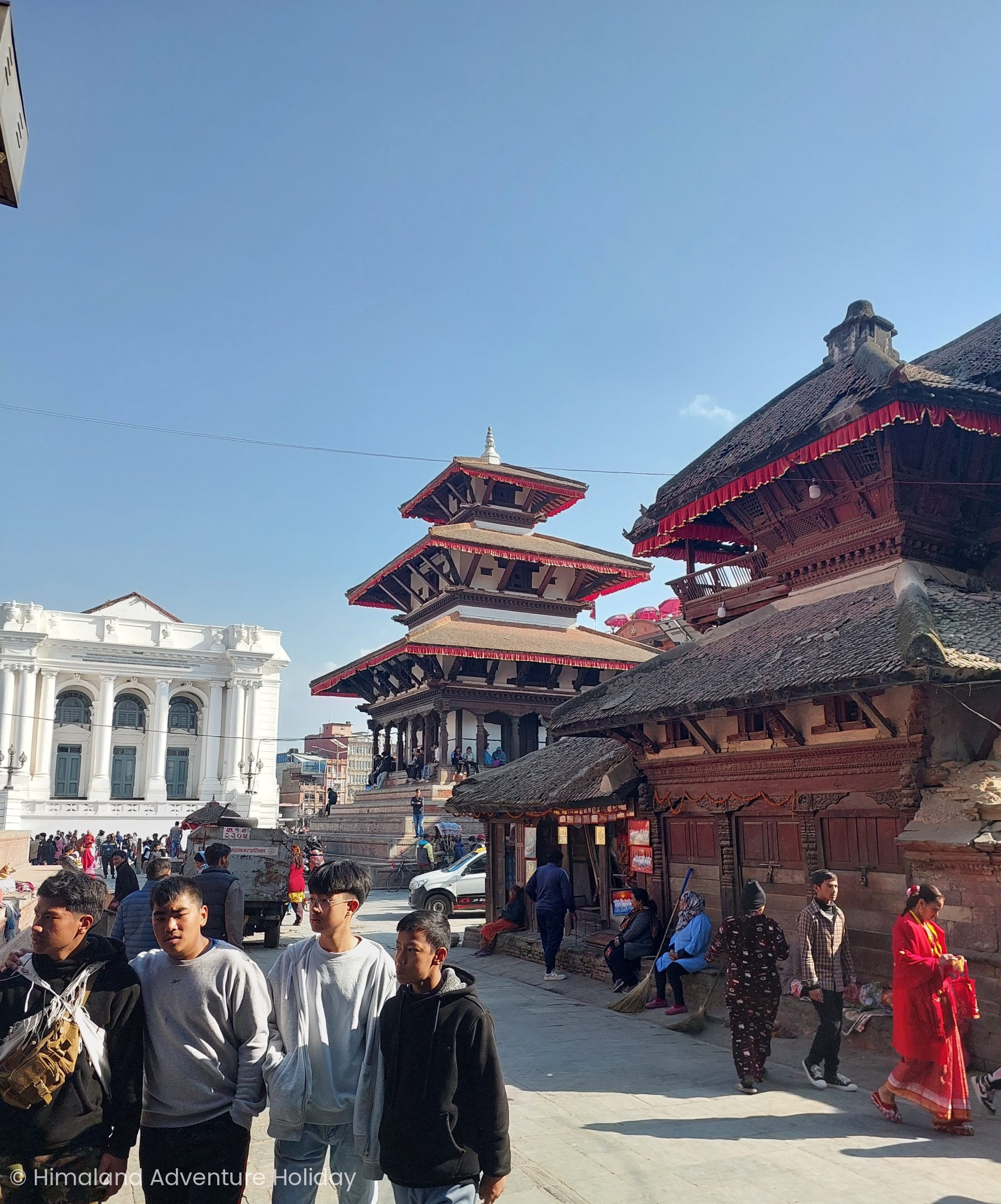
Visit sacred landmarks including Thahiti Chaitya, Kaathe Swayambhu, Seto Machhindranath Temple, and Kathmandu Durbar Square.
Discover the rich cultural heritage of the Newar community through art, architecture, and living traditions.
Explore the former royal palace complex of Hanuman Dhoka and its historic temples.
Learn about the Living Goddess Kumari and visit the beautifully carved Kumari Ghar.
Experience the unique blend of Hindu and Buddhist heritage that defines Kathmandu Valley.
Gain fascinating insights into local festivals, rituals, legends, and centuries of Kathmandu’s history.
Overview
The Kathmandu Heritage Walk takes you through the historic heart of Nepal’s capital, uncovering centuries of Hindu and Buddhist culture, Newar architecture, and living traditions. This immersive walking tour connects ancient temples, courtyards, and royal palaces that define Kathmandu’s timeless identity.
From sacred stupas to royal squares, the Kathmandu Heritage Walk offers a deeper understanding of the city beyond sightseeing—revealing stories of kings, deities, rituals, and everyday spiritual life.
Featured Stops with Historical & Cultural Insights
1. Thahiti Chaitya (15th Century)
A peaceful Buddhist stupa surrounded by bustling local shops and traffic. With prayer wheels and Buddha statues, it remains a hidden spiritual gem reflecting Kathmandu’s living Buddhist heritage.
2. Kaathe Swayambhu Stupa (1650 AD)
Built by King Pratap Malla, this smaller replica of Swayambhunath sits in a monastic courtyard. It is an important Vajrayana Buddhist site and a quiet retreat within the busy city.
3. Seto Machhindranath Temple (10th Century)
A sacred temple revered by both Hindus and Buddhists, dedicated to the deity of rain and compassion. Its intricate courtyard includes chaityas and tantric shrines, and it is central to Kathmandu’s spring chariot festival.
4. Akash Bhairav Temple – Indra Chowk
(Origins 6th Century, rebuilt 18th Century)
Home to the powerful sky deity Akash Bhairav, this temple becomes especially significant during the Indra Jatra festival, where rituals include traditional offerings and celebrations.
5. Hanuman Dhoka Palace Complex (12th–17th Century)
Once the royal seat of the Malla and Shah kings, this historic palace complex features courtyards, temples, and museums showcasing exquisite Newar craftsmanship and royal heritage.
6. Taleju Bhawani Temple (1564 AD)
A towering three-tiered temple dedicated to the royal goddess Taleju. It remains open only during special Dashain rituals, highlighting its deep cultural and religious importance.
7. Kaal Bhairav Temple (17th Century)
A powerful stone image of Kaal Bhairav with intense iconography. Historically, it was used as a place where oaths were taken, as truthfulness was believed to be enforced by divine power.
8. Jagannath Temple (Early 16th Century)
Famous for its symbolic erotic wood carvings, this temple represents fertility, protection, and ancient artistic expression in Newar architecture.
9. Mahadev & Parvati Temple (18th Century)
A beautifully balanced Hindu temple featuring Shiva and Parvati overlooking the square, symbolizing divine protection over Kathmandu Durbar Square.
10. Kasthamandap Temple (12th Century)
Believed to be built from a single sal tree, Kasthamandap gave Kathmandu its name. Destroyed in the 2015 earthquake, it is now being restored using traditional craftsmanship.
11. Kumari Ghar – Residence of the Living Goddess (1757 AD)
This intricately carved palace houses the Kumari, the Living Goddess of Kathmandu. Visitors may sometimes witness her blessing from the window.
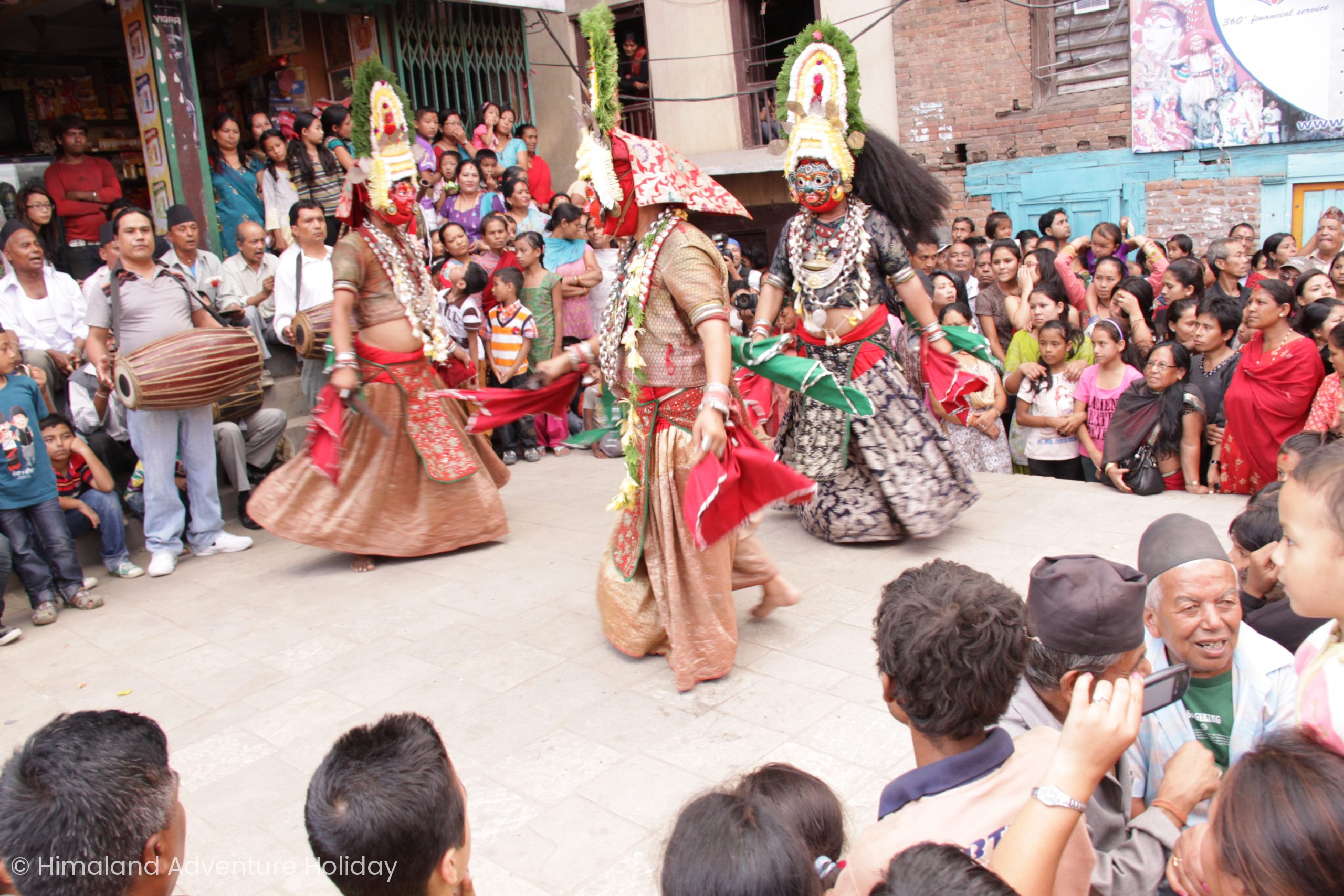
Cultural Spotlight: Indra Jatra Festival (August–September)
A vibrant week-long celebration featuring chariot processions, masked Lakhey dances, and rituals honoring rain deities. The Living Goddess Kumari, along with Bhairav and Ganesh, is paraded through Kathmandu’s ancient streets, making it one of the city’s most spectacular cultural events.
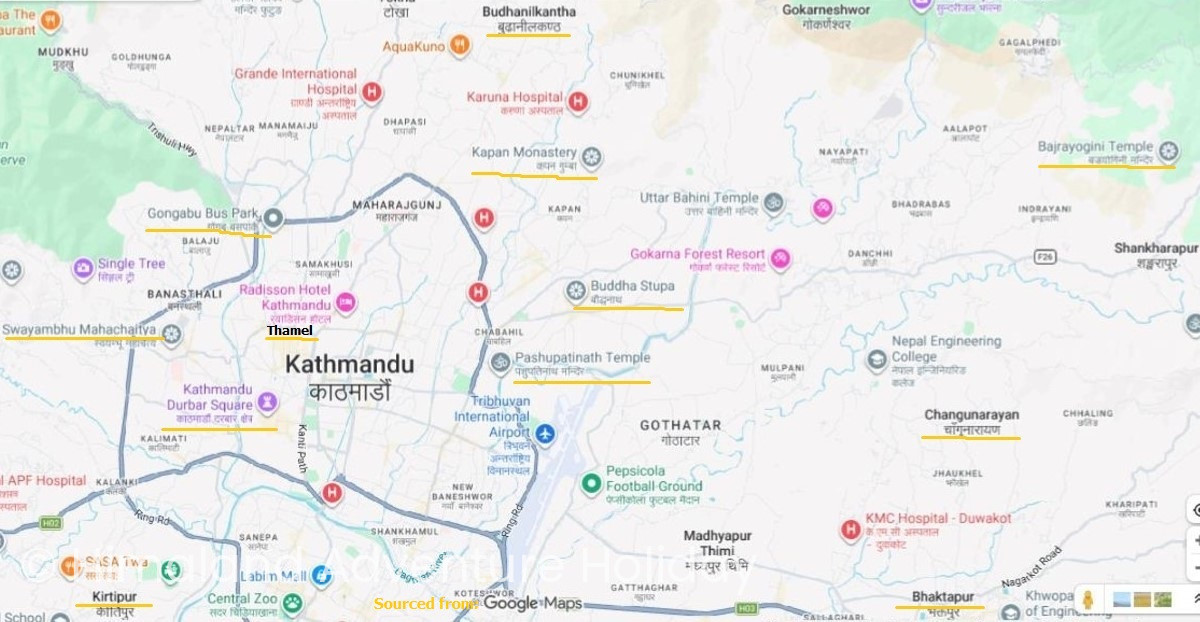
Map
Fixed Departure
Select year
| Start | Availability | Price | |
|---|---|---|---|
| Friday 17/04/2026 | Trip Status available | $1200 $1140 | Book Now |
Includes
Transfers by private taxi/ coach
Temple/Durbar entry fee
Local simple snacks
Temple entry fees
English and local language speaking guide
Excludes
Beverages
Tips for guide and drivers
Expenses of personal nature
❓ FAQs
The tour is suitable for all ages and fitness levels. It involves gentle walking through city streets, squares, and narrow alleys, making it ideal for culture enthusiasts, photographers, and first-time visitors.
The best seasons are spring (March to May) and autumn (September to November) when the weather is mild, skies are clear, and the valley offers perfect visibility for sightseeing and photography.
Accommodation includes comfortable hotels in Kathmandu with standard amenities, clean rooms, and a convenient location for walking tours.
Breakfast is typically included. Lunch and dinner can be arranged at local restaurants during city exploration or are sometimes optional, depending on the package.
The tour involves moderate walking, mostly on flat streets and squares, with occasional stairs at temples or heritage sites. Comfortable walking shoes are recommended.
Reviews
Enter a recent customer’s contact info and we’ll ask them to leave you a review.